Load the wrong media into your blast cabinet and you'll know it fast. Aluminum comes out pitted instead of clean. A weld seam that should've been feathered smooth ends up gouged. Or worse, your media clogs the gun and you spend your afternoon troubleshooting instead of blasting parts.
Picking blast media isn't complicated once you know what actually drives the decision: your substrate, the finish you need, and whether the media has to survive multiple blast cycles or just one pass. This post breaks down the main media types sold for cabinet and open blasting, when to use each one, and how to avoid the mismatches that cost shops time and money.
By the end, you'll know exactly which media to load for your next job, and where to get it.
Glass bead and aluminum oxide suit precision work on metal parts headed for powder coating. Steel grit and steel shot handle heavy rust and mill scale on structural steel. Coal slag works for one-time outdoor jobs. Plastic media protects soft substrates like aluminum and fiberglass.
What Is Blast Media?
Blast media is the abrasive material propelled through a blast gun to clean, strip, or profile a surface before coating. Different media types vary in hardness, particle shape, and reusability, which changes how aggressively they cut and what surface profile they leave behind. The right media depends on your substrate, your target finish, and whether you need reclaimable media for a blast cabinet.
Key Takeaways
- Softer, rounder media like glass bead peens the surface for a smooth finish; harder, angular media like aluminum oxide cuts faster and leaves more tooth.
- Steel grit and steel shot are reusable and built for heavy-duty rust and scale removal on structural steel.
- Coal slag is a low-cost, single-use option, best for outdoor or one-off blasting rather than a recirculating cabinet.
- Plastic media strips coatings without damaging soft substrates like aluminum panels and fiberglass.
- Media choice directly affects your surface profile, which determines how well powder coating or paint adheres afterward.
Why Blast Media Choice Matters
Every abrasive leaves a different surface profile. Profile is the microscopic roughness left behind after blasting, measured in mils, and it's what gives powder coating or paint something to grip. Too smooth, and coating adhesion suffers. Too aggressive, and you can warp thin metal or blow through a panel that didn't need that much cutting power.
Media hardness, shape, and size all play into this. Round media like glass bead peens the surface without much cutting. Angular media like aluminum oxide or crushed steel grit bites into the surface and removes material faster. Neither is "better." They're built for different jobs.
Shop Tip: If you're running a dual-station abrasive blast cabinet for production work, matching media to your most common part type keeps your recovery hopper clean and your finish consistent between operators.
Glass Bead: Precision Finishing
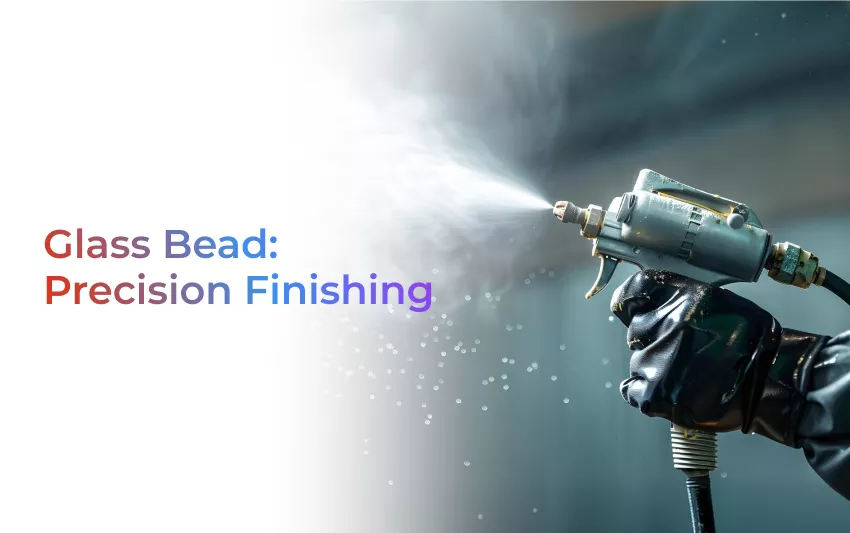
Glass bead is a round, glass-based media used when you want a smooth, satin finish without removing much base material. It's a common choice for automotive parts, aluminum wheels, and any job where the part needs to look clean rather than aggressively stripped.
Best for:
- Aluminum wheels and automotive trim
- Light rust or surface contamination
- Parts that will be visible in the final product
- Deburring and light surface cleaning
Not ideal for: heavy rust, mill scale, or thick coating removal. Glass bead peens rather than cuts, so it's slow on badly corroded steel.
Aluminum Oxide: Fast-Cutting Workhorse
Aluminum oxide is the most common media in production blast cabinets. It's harder and more angular than glass bead, which means it cuts faster and creates a rougher, more consistent profile. That profile is exactly what most powder coating jobs need for strong adhesion.
Best for:
- General-purpose metal prep before powder coating
- Wheels, brackets, hardware, and automotive parts
- Shops that need a reusable, consistent-cutting media in a cabinet
Aluminum oxide is reclaimable in a cabinet's recovery hopper, which makes it cost-effective for shops running batch after batch through equipment like a benchtop blast cabinet or a larger floor model blast cabinet.
Ready to Order Blast Media?
Whether you need a quick top-off or a bulk order for ongoing production, our team can get you the right grit and quantity fast.
|
What is the best blast media for aluminum?
Glass bead or a fine aluminum oxide grit work best for aluminum. Both clean the surface and create a workable profile for coating without being aggressive enough to warp thin aluminum panels or wheels. Steel media is generally too hard and can embed steel particles in the aluminum surface, which leads to surface rust later.
What blast media should I use before powder coating?
Aluminum oxide is the standard choice for powder coating prep on steel and aluminum parts. It creates a consistent surface profile that most powder coatings need for proper adhesion. For heavier steel with rust or mill scale, steel grit is used first, sometimes followed by a lighter aluminum oxide pass for a cleaner finish.
How do I know when my blast media needs replacing?
Reusable media like aluminum oxide and steel grit breaks down over time into finer particles that cut less aggressively and produce more dust. If you notice blasting takes noticeably longer to reach the same finish, or your recovery hopper is producing excessive fine dust, it's time to replace the media rather than keep topping it off.
Is coal slag safe to use in an enclosed blast cabinet?
Coal slag is generally not recommended for enclosed cabinet use. It's a single-use, non-reclaimable media that produces more dust than aluminum oxide or steel grit, which can overwhelm a cabinet's dust collection system faster. It's better suited to open, outdoor blasting on structural steel where reclaiming media isn't the goal.
How much does blast media cost?
Pricing varies by media type and order volume. Aluminum oxide and glass bead typically fall in a mid-range price point per pound, coal slag runs cheaper since it's a byproduct material, and specialty plastic media tends to cost more due to its soft-substrate application. Contact Creative Coating Solutions at (618) 741-0740 or scott@creativecoatingsolutions.com for current pricing and bulk order options.
Does Creative Coating Solutions ship blast media across the USA?
Yes. Creative Coating Solutions is a veteran-owned supplier based in Fenton, Missouri, stocking blast media alongside abrasive blast cabinets, portable abrasive blasters, and protective blasting gear, with fast shipping to shops across the USA.
What PPE do I need when handling blast media?
At minimum, a respirator rated for the media type you're using, safety glasses or a face shield, and gloves. Media that generates fine dust, like coal slag or steel grit, calls for a properly fitted respirator to avoid inhaling respirable particulates. OSHA's abrasive blasting standards outline required protections for operators working with silica-containing and metallic media.
Steel Grit and Steel Shot: Heavy-Duty Removal
When you're dealing with heavy mill scale, thick rust, or old coatings on structural steel, aluminum oxide and glass bead start to feel underpowered. That's where steel grit (angular) and steel shot (round) come in.
Steel media is durable enough to be recycled hundreds of times before it breaks down, which is why it's the standard choice for high-volume industrial and fabrication shops. Steel grit cuts aggressively and leaves a deep, anchor-pattern profile. Steel shot peens the surface, useful for stress relief on welds as much as cleaning.
Best for:
- Structural steel, frames, and heavy fabrication
- High-volume shops that need reusable media
- Jobs requiring an aggressive surface profile before coating
Note: Steel media is heavier and dustier to work with. It's typically paired with a cabinet that has a strong dust collector, or handled in an open blasting setup where the operator wears protective blasting gear rated for the job.
Coal Slag: Budget Outdoor Blasting
Coal slag is a byproduct of coal combustion, and it's one of the cheapest blast media options available. It's angular, cuts reasonably well, and works fine for one-time jobs where you're not trying to recycle the media.
Best for:
- Outdoor structural blasting, tanks, and bridges
- One-time jobs where reclaiming media isn't practical
- Budget-sensitive projects where finish quality is secondary to removal
Downside: Coal slag isn't reusable in a cabinet's recovery system the way steel or aluminum oxide is, and it produces more dust than most alternatives. It's rarely the right pick for enclosed cabinet work.
Plastic Media: Protecting Soft Substrates
Plastic media (often melamine or urea-based) is soft enough to strip coatings and paint without gouging the substrate underneath. Aircraft maintenance shops use it for exactly this reason, and it's just as useful for aluminum panels, fiberglass, and any part where aggressive media would do damage.
Best for:
- Stripping paint or powder coat without touching the base substrate
- Aluminum panels, fiberglass, and composite parts
- Restoration work where the original surface needs to stay intact
Media Comparison Table
Media Type | Hardness | Reusable | Best Substrate | Typical Use |
Glass Bead | Soft-Medium | Yes | Aluminum, stainless | Light cleaning, satin finish |
Aluminum Oxide | Hard | Yes | Steel, aluminum | General powder coat prep |
Steel Grit | Very Hard | Yes (long life) | Structural steel | Heavy rust, mill scale |
Steel Shot | Very Hard | Yes (long life) | Steel | Peening, weld stress relief |
Coal Slag | Medium-Hard | No | Steel, concrete | One-time outdoor jobs |
Plastic Media | Soft | Limited | Aluminum, fiberglass | Coating removal without damage |
Want the media matched to your equipment? Our team can recommend the right grit and volume for your abrasive blast cabinet setup. Request a quote and tell us what you're blasting.
Check Out Our Products: Abrasive Blast Cabinets
How Much Media Do You Actually Need?
For cabinet work, this depends less on total volume and more on your hopper capacity and how often you're topping off during recovery loss. A dual-station abrasive blast cabinet with a 300-pound hopper, for example, holds enough reusable aluminum oxide or steel grit to run multiple batches before needing a refill, since the recovery system reclaims most of what's used.
For a walk-in setup like the Monster walk-in clamshell blast cabinet, larger parts and longer blast cycles mean planning for higher consumption, especially with non-reclaimable media like coal slag.
If you're running a portable abrasive blaster for field or one-off jobs, media is typically not recovered at all, so budget for full consumption per job rather than reuse.
Not sure what you need for your next job? Call (618) 741-0740 or email scott@creativecoatingsolutions.com and we'll help you figure out media type and volume before you order.
Does Media Choice Affect Powder Coating Adhesion?
Yes. Powder coating needs a surface profile with enough tooth for the powder to mechanically bond to the substrate. Media that's too soft, like plastic media used alone, may not create enough profile for strong adhesion. Most shops prepping for powder coat use aluminum oxide or a comparable angular media to hit the profile depth their coating supplier recommends, typically in the 1 to 3 mil range for standard applications.
Can I Mix Different Blast Media in One Cabinet?
It's not recommended. Mixing media types, like aluminum oxide and steel grit, changes your cutting rate and surface profile unpredictably, and it can clog recovery systems designed for a single media density. Most shops that run varied jobs use separate cabinets or clean out the hopper fully between media changeovers. If you're regularly switching between fine and heavy-duty media, a second benchtop blast cabinet dedicated to one media type is often more efficient than constant changeovers.
Conclusion
Blast media isn't a one-size-fits-all purchase. Glass bead and aluminum oxide handle most powder coating prep on metal parts. Steel grit and steel shot take on heavy structural work. Coal slag covers cheap, one-time outdoor jobs, and plastic media protects substrates that can't take an aggressive abrasive.
Match the media to your substrate and target finish first, then think about volume and whether you need something reclaimable for a cabinet or a one-pass media for open blasting. Getting this right the first time saves you a wasted afternoon and a part that needs to be redone.
Creative Coating Solutions stocks blast media alongside the abrasive blasting equipment and supplies you need to run it, including cabinets, portable blasters, and blast cabinet parts and accessories. Everything ships fast across the USA from a veteran-owned operation based in Fenton, Missouri.
Call (618) 741-0740 or email scott@creativecoatingsolutions.com to talk through the right media and equipment for your shop.
Shop Blast Media and Supplies
FAQs
How long does powder coating last compared to paint?
Powder coating lasts significantly longer than paint on metal. A correctly applied powder coat finish can hold up for up to 20 years in direct outdoor UV exposure, while liquid paint on metal typically needs recoating every 2 to 4 years. The difference comes down to how each finish bonds to the surface and how it responds to UV, moisture, impact, and chemical exposure over time.
Why is powder coating more durable than paint?
Powder coating is more durable because the coating cross-links chemically during the heat cure process, creating a finish that bonds directly to the metal surface rather than sitting on top of it. This produces a thicker, denser finish that resists chipping, scratching, corrosion, and UV fading better than conventional liquid paint. Because no solvents are used, there's no shrinkage or porosity that creates weak points in the film.
Does Creative Coating Solutions sell powder coating equipment across the USA?
Yes. Creative Coating Solutions supplies powder coating equipment, curing ovens, spray booths, blasting equipment, and powder coating supplies to shops across the USA. They're a veteran-owned business based in Missouri, and offer B2B pricing on individual items and complete equipment packages. Contact them at (618) 741-0740 or scott@creativecoatingsolutions.com for a quote.
Is powder coating better for the environment than paint?
Yes, in most cases. Powder coating produces near-zero volatile organic compound (VOC) emissions because no liquid solvents are used in the process. The EPA recommends powder coating as a sustainable industrial coating option. Liquid paint, particularly solvent-based paint, releases significant VOCs during application and drying. These contribute to air pollution and require more careful compliance management under EPA regulations across the USA.
How do I prepare metal for powder coating vs paint?
Both processes require clean, dry metal surfaces. For powder coating, the preparation standard is higher. The metal typically needs to be blasted to create a surface profile for the powder to grip, followed by a chemical clean or conversion coating. Paint is more forgiving of surface prep variations, but better prep always produces better results regardless of which finish you're applying. Skipping surface prep is the most common reason powder coating adhesion fails.